Planning a visit
We want you and your students to get the most out of a trip to a UK National Park. If you plan a safe, achievable trip with clear objectives your trip will be fun, stimulating and worthwhile.
Always follow the advice and guidance of your local education authority or governing body. The tips on these pages give basic sound practice for trips in the outdoors.
- Group safety should be the top priority in planning your trip and in each activity. Have clear objectives for the trip and for each activity. Tell the other teaching and support staff what your objectives are. Tell your students enough about the objectives so they know what they are meant to accomplish by the end of the trip.
- In your planning, act to conserve the environment and minimise your impact
- Think about local people and visitors and your effect on them
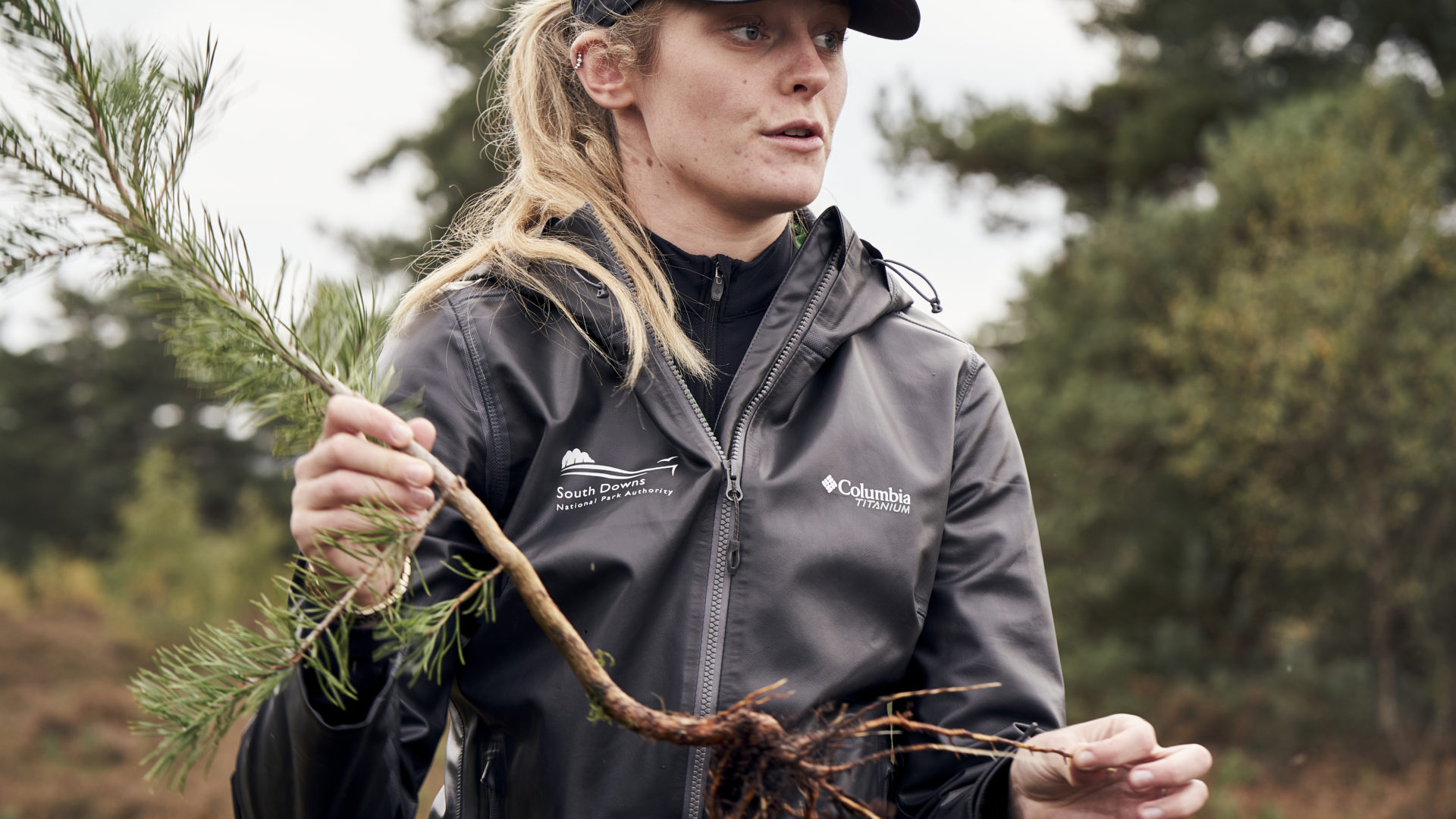
Guidance on planning your visit
Tips on how to make your adventure in National Parks unforgettable
Get in touch for help and advice
Even if you’re just planning a day visit to run yourself, we can give you up-to-date advice on where to go, weather and road conditions, safety and access advice, and the most suitable activities to do. Or you can book our teams to deliver teaching sessions for you.
Pre-visit the site
If possible visit the site before your field trip.
Assess the facilities like toilets and car parks.
Check the terrain is suitable for your activity and your group.
Note any potential hazards.
Think about transport
Could you use public transport for your trip to be really sustainable? If not, we recommend minibuses, large coaches are not very manoeuvrable on rural roads and might not be able to reach all the locations you want to get to – or turn around once there!
Remember that your group will each have a backpack with them, as well as any teaching equipment you are taking, so make sure your vehicle has enough room.
Take the right kit
Take the right clothing, the right food and the right equipment to keep everyone safe and comfortable. Check out our Kit list article at the bottom of this page.
Health and Safety
Our education teams have health and safety procedures and risk assessments. If you book with us make sure you are aware of these procedures.
If you are planning a visit on your own, we can send you risk assessments and helpful information to make your visit safer.
Insurance
Check with your local education authority and / or governing body that you have the necessary insurance cover needed for your trip, including transportation, activities and any residential stays.
If you book an activity with us, we can give you details of our insurance cover.
Know where you can go
Most land in the UK National Parks is privately owned. Check that access and your activity are allowed.
We can help with checking access and advice on the most suitable places, so get in touch.
Give yourself time
It can take longer than you think for a group to walk a route. Sloping or boggy ground, rain, wind, hot sun, and fatigue can slow you down.
Make sure you allow plenty of time to return to your vehicle or accommodation before it gets dark.
Don’t count on the weather
Check the weather forecast in the days before your visit, but don’t rely on it being right! The weather changes rapidly, especially in upland areas, and is different at low levels and on higher ground.
Working by water
Rivers that rise quickly after rain, currents, slippery surfaces and underwater hazards all create new risks when working near water.
Educational articles

Fieldwork and education in the Broads , Article
Discover how the national treasure can be used to explore the curriculum and children’s imaginations in so many inspirational ways.

Are children in tune with the Nature Pyramid? , Article
An Education Officer at the South Downs National Parks explains why making connections with “big” landscapes is an important part of our relationship with nature.
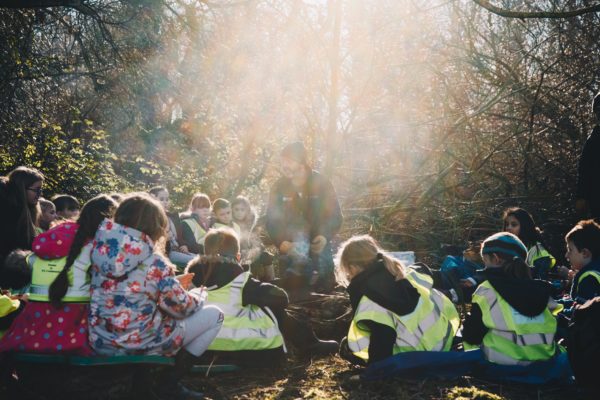
Kit list for students and teachers , Article
Having the right kit is important to keep everyone safe. Here's a basic list of kit for your students, and extra things a group leader should have too.
National Parks mean something different to all of us, but for many, they`re part of the answer to some of our biggest challenges or top priorities at the moment.
If you want to tell us about how National Parks impact your lifestyle, tell us in the comments or click the link in our bio to complete our anonymous survey. 💚
#NationalParksUK


In North York Moors National Park a project that champions both the community and insects is thriving. GrubsUp! has already planted native hedgerows, restored grasslands, created ponds and improved roadside verges so insects can move more easily between isolated pockets of habitat.
Working with farmers, landowners and local volunteers, the project shows the possibilities for nature when a local community comes together.
Read more and discover more nature recovery stories on our website 🔗🌿 #NatureRecovery #NationalParks

Our research shows we care about our natural environment and are looking for ways to protect it. National Parks are places where nature recovery takes place within local communities, every day.
Programmes range from reintroducing endangered species through to conservation work to to protect and restore land.
Discover how National Parks are recovering nature by clicking the link in our bio🔗 💚
#NationalParksUK #NatureRecovery

National Parks could hold the answer to nature recovery 🌿
Every day, our National Parks are actively restoring damaged habitats, reintroducing lost species, and linking green spaces across local and landscape scales.
With work spanning the breadth of the nations, we`re an integral part of the solution to the challenges we face surrounding degraded natural environments across Great Britain.
#NationalParksUK #NatureRecovery

For people living with dementia, time outdoors can offer routine, companionship and a welcome connection to the world around them.
Developed in partnership with @Alzscot and located at @badaguish_, the centre is leading the way in supporting patients to experience the benefits of nature.
Read more about the programme and discover more health and wellbeing stories on our website💚
#NationalParksUK #Wellbeing

We know that nature helps us feel better, and even a little time outdoors can make a big difference.
From specialist programmes and guided walks to simply catching up with friends over a coffee, our National Parks offer many ways to unwind, connect and enjoy the benefits of the outdoors.
Click the link in our bio to discover how National Parks are supporting our wellbeing 🔗💚
#Wellbeing #NationalParks

💚Better health and wellbeing? National Parks could hold the answer.
Every day, our 15 National Parks across the UK help people unwind, connect with others and experience the benefits of spending time in nature.
#NationalParksUK #Wellbeing

Our new research has revealed what we`re currently concerned about the most.
We want better wellbeing. To feel part of a local community. To help nature recover, and feel prepared for what`s coming next in our changing climate.
Our new report reveals what our priorities are and how the 15 National Parks are putting solutions into action.
Read the report on our website by clicking the link in our bio 🔗
#NationalParksUK #Research
