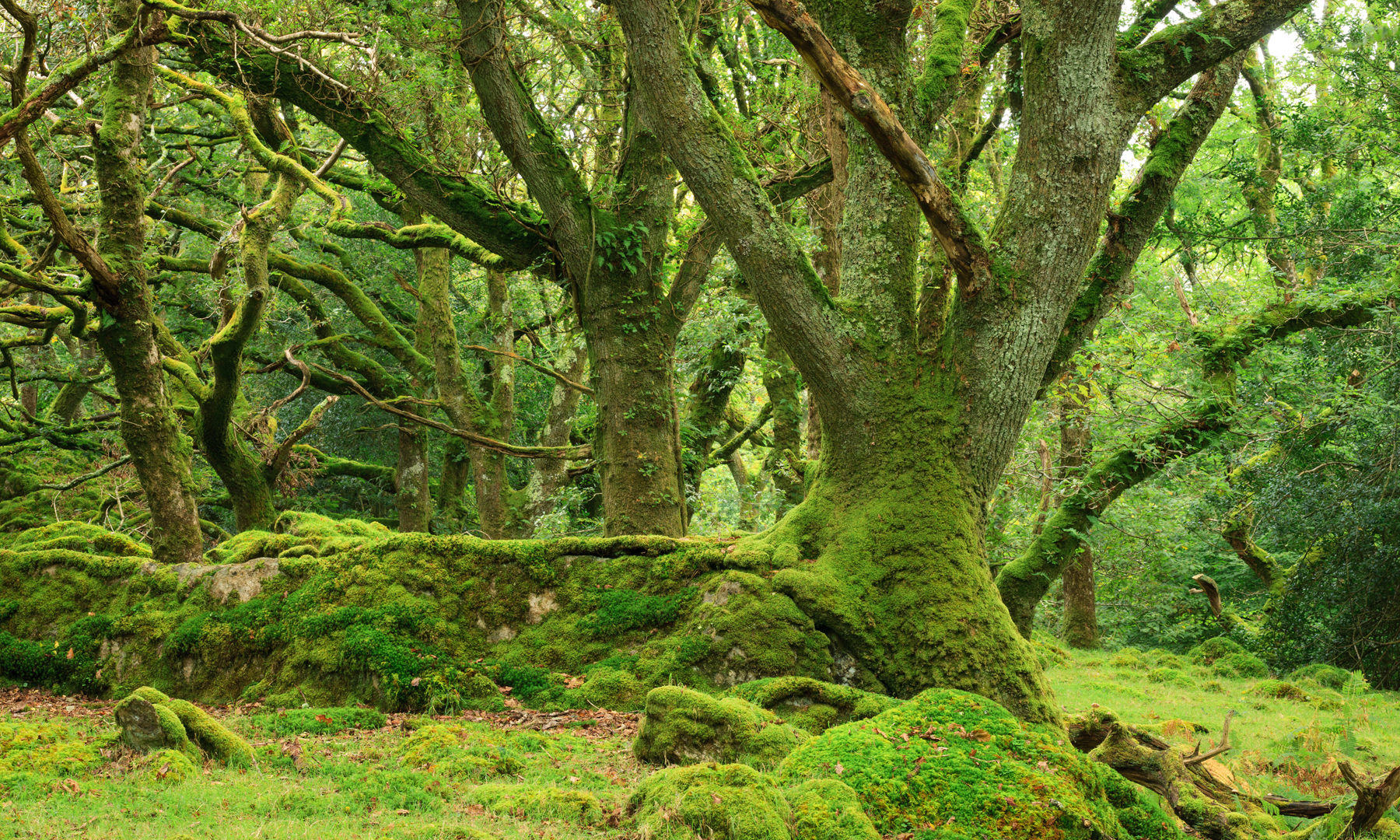
Historic environment
Shaped by people, over thousands of years
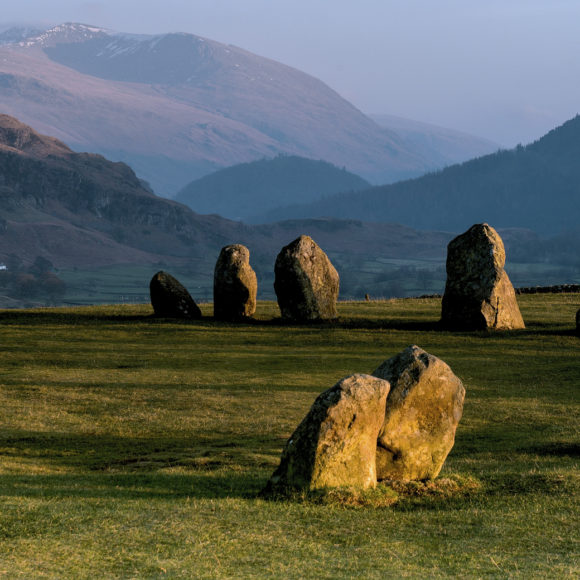
Historic sites, including ancient standing stones, ruins, country houses and castles, are an important part of what makes our National Parks so special. These living, working landscapes have influenced identity, inspired writers, poets and artists and contributed significantly to the nation’s rich cultural legacy.
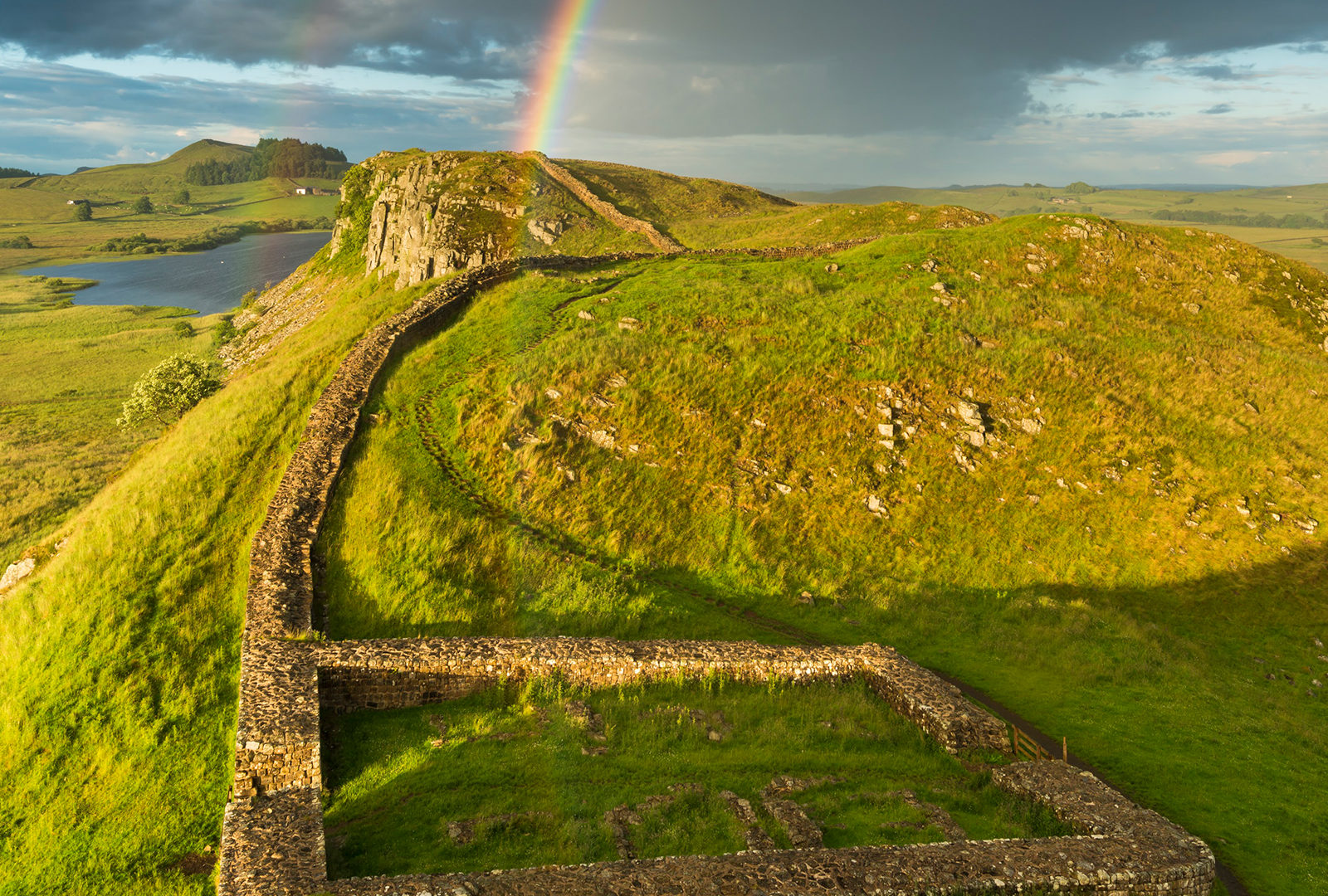
History and culture
Our Parks contain some of the earliest and most extensive evidence of human ingenuity, endeavour and creativity – from stone tools, left by hunter-gatherers at the end of the last Ice Age, to some of the finest Bronze Age landscapes in Western Europe.
National Parks also protect some of the best-preserved Roman military structures, castles and forests of medieval monarchs, beautiful 18th century designed landscapes, and historic mines and quarries, some of which are still in use today.
Moreover, National Parks protect rich and distinctive architecture, with buildings, farmsteads and villages constructed from local materials such as stone, slate, pantile and thatch that create a unique sense of place and identity.
These physical remains form the story of England, Scotland and Wales and are all key factors in attracting investment and tourism.
Planning and Conservation
We keep detailed records of all sites and visit them regularly to see what state they are in, working with landowners and partners to protect any vulnerable sites. We train people in traditional building techniques to maintain historic structures, and our archaeologists carry out digs and surveys to explore new and existing sites.
When new building work is proposed in a National Park, our archaeologists often take the chance to do a dig to see if any new remains are found. Our planners also ensure that future developments within National Park boundaries are not detrimental to the historic environment and are in keeping with the heritage of the area.
Partnerships
We work with lots of different organisations to protect our historic sites, as well as private landowners. We’ve secured millions of pounds from the Heritage Lottery Fund and charitable trusts and we provide apprenticeships, training, education, health and recreational opportunities, helping local economies thrive.

Enjoyment
We want everyone who visits or lives in a National Park to be able to enjoy our history. We work with landowners to allow the public access to historical sites, we give guided walks and talks and produce signs, leaflets and publications to tell the stories of local people.
Autumn is a chance to give nature a helping hand. 🍂
From leaving fallen leaves to providing food for birds, small actions can make a big difference to the world around us.
Here are some of the ways to help nature this season.
#NatureRecovery #Autumn #NationalParks


An ancient wall almost 2,000 years old, and a catch-up with your mate? ✅
Historic landmarks like Hadrian’s Wall in Northumberland National Park have been connecting people for centuries.
While that connection looks very different today from the wall’s original role as a Roman defensive fortification, it’s still a place where people come together and explore history.
Because our National Parks are about so much more than great places for a day out. They’re places to connect with friends, clear your head, get active and learn about history, all in one place.
#Northumberland #HadriansWall #NationalParksUK

They’re more than just pretty places. 🌳
Our National Parks are home to some incredible trees, from ancient giants to England’s tallest tree.
Swipe through for a few #WildFacts about the trees growing across our 15 National Parks.
#NationalParksUK #Trees #Woodland

National Parks are places where animals make their homes, people catch up over coffee, and we pause to marvel at the dark skies above.
Places to connect, discover and look a little closer.
We’d love to see your images of autumn in action in a National Park. Tag us or use the hashtag #AutumnInAction 🧡
#NationalParks #Autumn

What if Middle-earth’s Rangers had more in common with National Park Rangers than we might think?
Of course, our National Park Rangers have a little less to worry about than Aragorn and his fellow Rangers.
But they do both know their landscapes well, protect the places they love and guide others to find their way.
Across the UK’s 15 National Parks, our Rangers are taking action every day. They may not be defending the Shire from the forces of darkness, but they certainly do an incredibly important job. 💚
#MiddleEarth #Rangers #NationalParksUK

15 National Parks. One shared challenge. Our climate is changing, and with it comes an increased risk of wildfire across our landscapes.
That’s why we’ve committed to taking action through our new Wildfire Management Position Statement. Together, the National Parks will work to support nature recovery to help manage wildfire risk, plan for and strengthen wildfire response and coordination, improve risk management and preparedness, and share clear, consistent public messaging.
But we can’t do it alone.
Communities, organisations, land managers and visitors all have a role to play in reducing wildfire risk. By working together, we can help protect our National Parks and prepare for a future where hotter, drier weather may increase the risk of wildfire.
Read the full statement by clicking on the link in our bio 🔗
Photos:
Slide 1 - Fighting the Glenmore wildfire, © Ed Smith. Slide 2 - Fighting the Glenmore wildfire, © Malcolm Smith. Slide 3 - View across Loch Morlich during Glenmore wildfire, July 2026, © Brenna Jessie. Slide 4 - Fighting the Glenmore wildfire, © Malcolm Smith. Slide 5 - View from the cab of a tractor aiding in fighting the wildfire in the Cairngorms National Park, CPNA. Slide 5 - Firefighting vehicles at the Glenmore wildfire, © Malcolm Smith.
#Wildfires #NationalParksUK

It’s not every day you get to see one of our National Parks in biscuit form on @britishbakeoff!
Last night, The Great British Bake Off contestant @itsdoctoryan created a beautiful biscuit mosaic inspired by the Broads National Park, perfectly capturing the view at St Benet’s Mill, Thurne.
And it wasn’t just a feast for the eyes as the mosaic was made using treacle and ginger, honey and lemon, cocoa and malted milk, and pistachio biscuits.
Two great things combined: a beautiful National Park view and delicious biscuits. What could be better than that? 💚
Photo: Channel 4
#GBBO #BakeOff #NorfolkBroads @broadsnationalpark

You’ve likely heard of one - but what does it actually do?
Our 15 Parks wouldn’t be able to function without the authorities working behind the scenes to keep them running.
And each authority relies on people. People within the community, volunteers, staff and members. People that run businesses, or partner as organisations. People that are skilled and knowledgeable in a variety of areas from wildlife to accessibility.
Our National Parks are full of people and action, and it’s the Authorities that bring them all together.
💚
#NationalParksUK #NationalParkAuthorities
