Generation Green 2: Connecting disadvantaged young people to nature
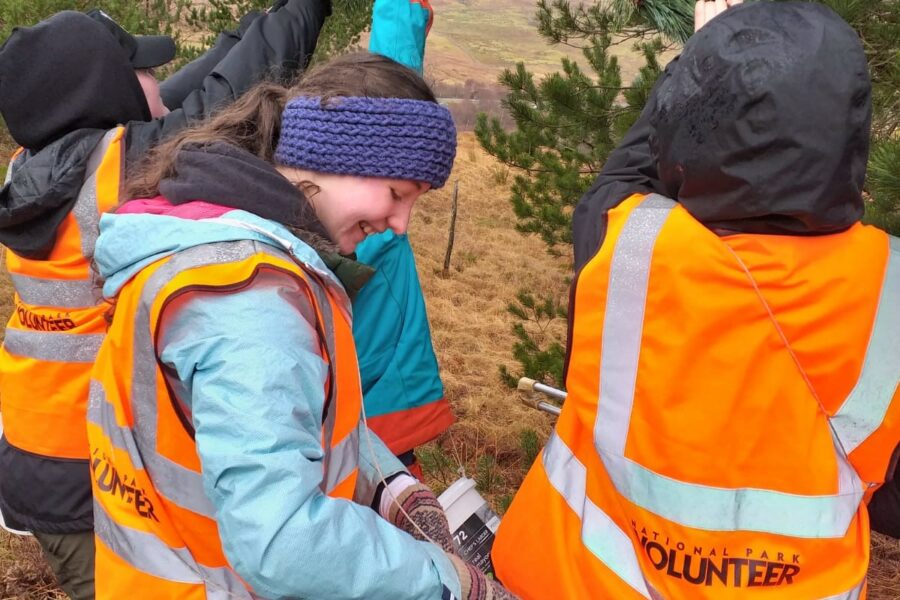
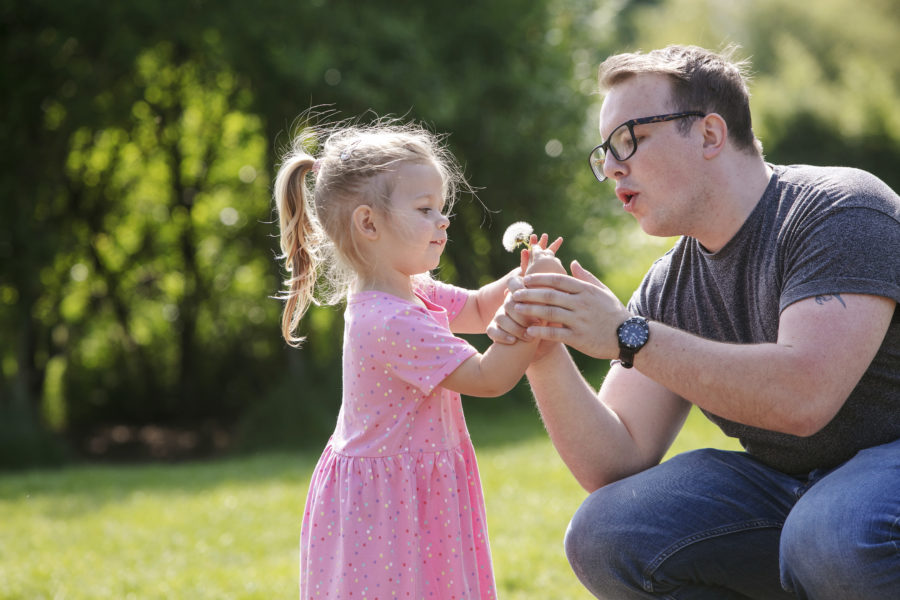
National Parks in England are proud of their key role in Generation Green 2, a project which will connect more than 25,000 young people living in England’s most socially disadvantaged areas to nature and rural life through a host of inspiring experiences.
This ambitious project will deliver more than 41,500 day and overnight nature connection experiences over 12 months to young people who would otherwise be the least likely to spend extended time in the country’s most beautiful landscapes.
Generation Green 2 aims to help address major inequalities in access to nature by cultivating a wider interest in green spaces among the next generation, fostering lifelong wellbeing benefits among participants and opening protected places to a wider demographic.
Connections for the future
Poorer communities and people from ethnic minorities in the UK have the worst access to green spaces. Research has shown that 18% of children living in the most deprived areas never spend time in any kind of natural space.
Almost half of the country’s most socially deprived areas are more than 15 miles by road from a protected landscape (such as a National Park or National Landscape), and opportunities to explore these landscapes are hindered by inadequate transport options.
An extensive body of research shows that people who are more connected with nature are usually happier and more likely to report feeling their lives are worthwhile. Nature connection also leads to more willingness to take action to help our wildlife and the environment. In the context of collapsing biodiversity and the climate crisis, closer relationships with nature are more vital than ever before.
Through evenings under the stars, multi-day residentials, farm visits and day trips in beautiful protected places, Generation Green 2 aims to help young people understand and value the natural environment, cultivate a sense of care for the countryside, promote responsible access, and access the wellbeing benefits of spending time in the outdoors.
Generation Green 2 has been enabled by funding from the Department for Environment, Food and Rural Affairs (DEFRA) as part of its ongoing support of access to nature.
Building on success
Generation Green 2 follows on from the work of the first Generation Green, a scheme which in recent years made a significant impact by connecting over 115,000 young people to nature through jobs, training, volunteering, and educational experiences.
Partnered with 15 organizations, the initiative created and saved jobs, helping to foster a green recovery and building an enthusiastic workforce for environmental stewardship.
This latest project is building on this success and getting even more young people out in nature by offering diverse opportunities for hands-on learning and outdoor adventures – inspiring many young people to develop a deep appreciation for the natural world.
Both Generation Green and this programme are delivered by the Access Unlimited (AU) Partnership, a unique coalition of not-for-profit youth organizations, school residential outdoor providers, and organizations managing protected landscapes. The AU coalition includes the Youth Hostel Association (YHA), The Outward Bound Trust, Field Studies Council, Girlguiding, Scouts, National Parks Authorities (via National Parks England), and the National Landscapes Association.
Demand for courses from participating schools has been extremely high and there is currently little remaining availability.
Did you know?
The programme
Day Visits , Activity
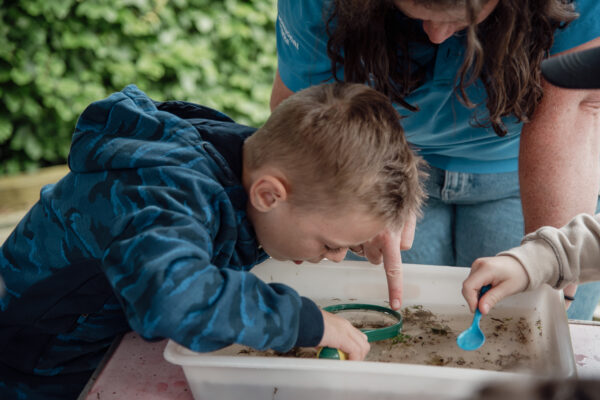
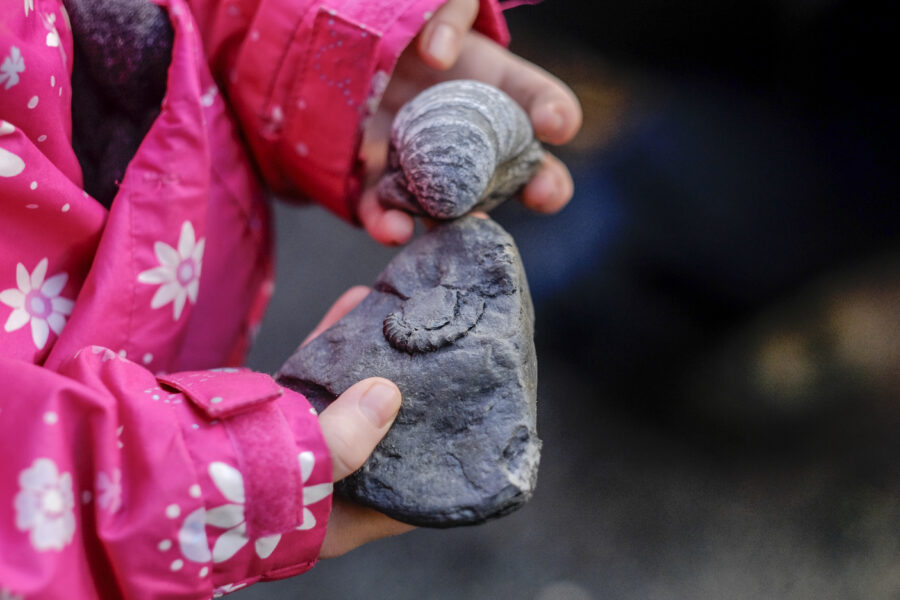
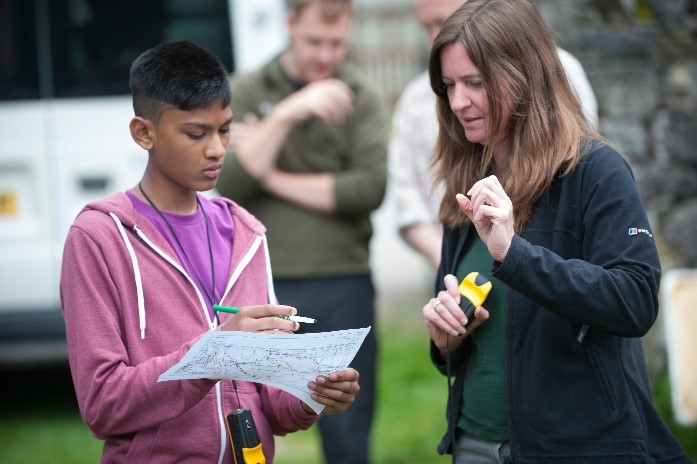
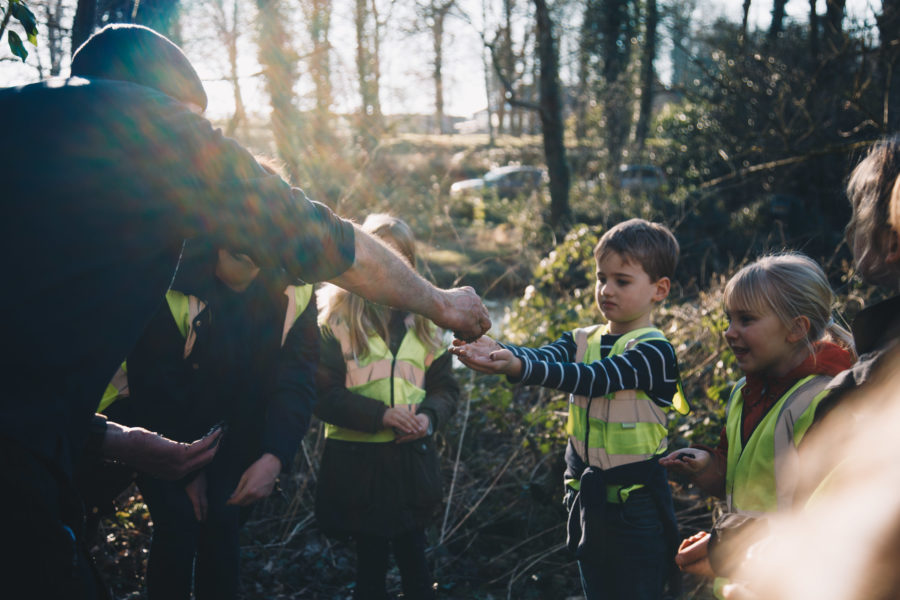
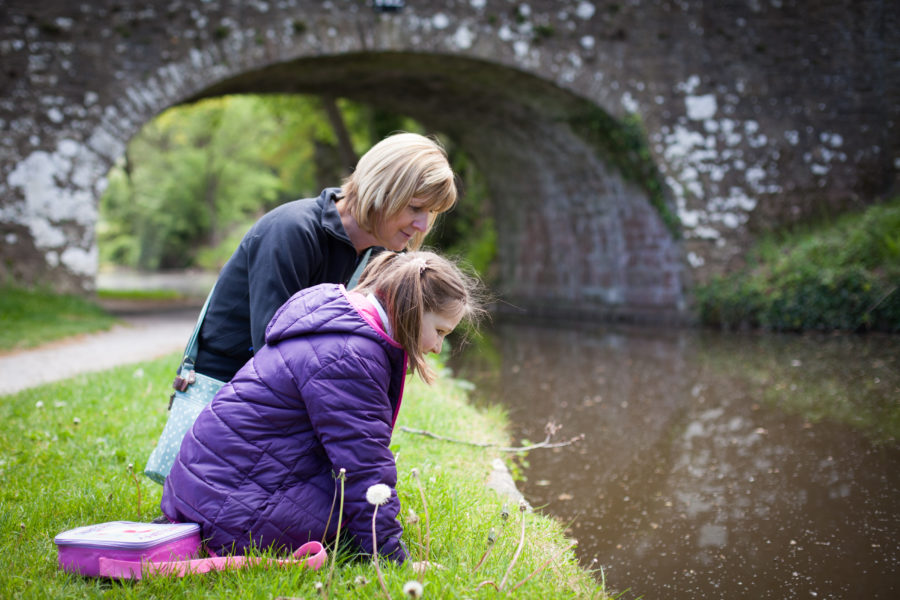
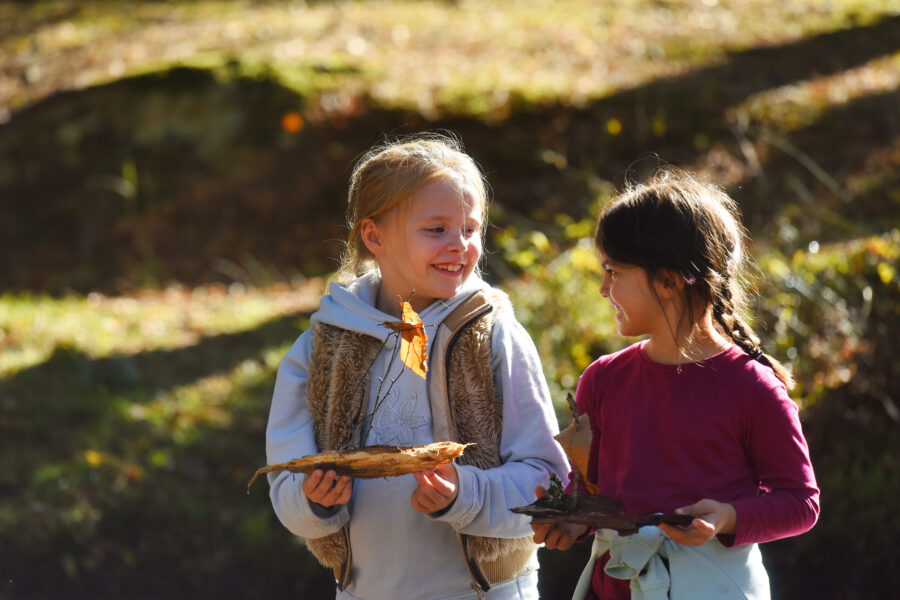
Day visits to protected landscapes provide a rich array of experiences, including scenic walks, conservation activities, nature exploration, and opportunities to connect deeply with the natural environment. These high-quality learning opportunities outside of the classroom are perfect for those who found staying overnight a barrier to accessing these beautiful areas. Participants enjoy engaging with nature and wildlife, gaining valuable insights and memorable experiences in just a single day.
Farm Visits , Activity
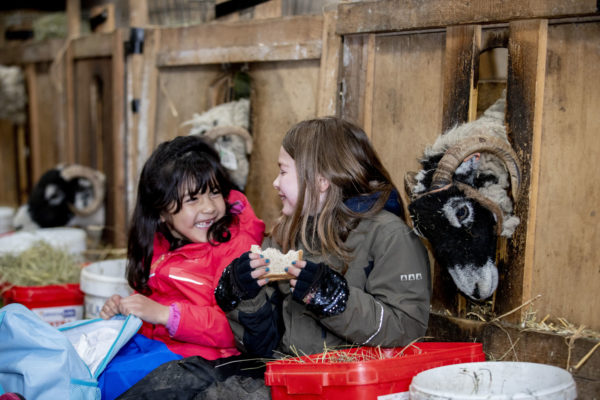
Young people have the chance to meet farmers, explore life on a working farm, and think critically about where food comes from. They focus on key elements of production, such as meeting livestock and learning how butter is made. This hands-on experience offers valuable insights into agriculture and food production, fostering a deeper connection to the food they consume.

Evening under the stars , Activity
Participants explore star-filled dark skies, follow constellation trails, and engage in stargazing, discovering the wonders of stars, planets, and constellations. Nighttime wildlife walks offer fascinating insights into nocturnal wildlife, while educational sessions inspire action to protect our dark night skies. Some parks enhance these experiences with interactive games, activities, and stargazing apps, making the learning journey both dynamic and exciting.
Residentials , Activity
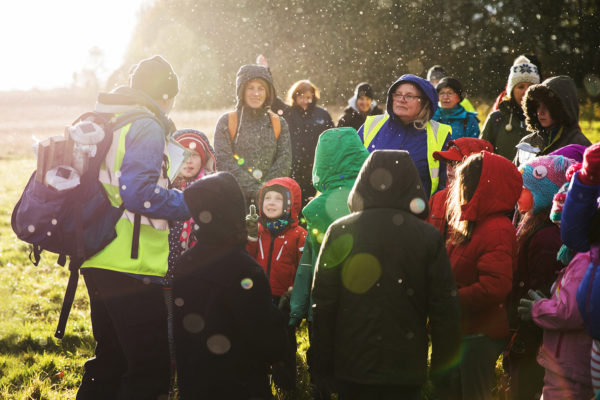
Participants enjoy a mix of activities and the chance for an overnight stay, providing an extended and immersive experience in the outdoors and nature. This combination allows for deeper engagement with the natural environment and a richer connection to the outdoors.
Generation Green 2 will connect more than 25,000 young people living in England’s most socially disadvantaged areas to nature and rural life through a host of inspiring experiences.

🍂 Autumn is creeping in, and the nights are slowly drawing in around us. But darkness isn’t just something we notice. For countless bugs, it’s essential.
Two-thirds of invertebrates are partially or wholly nocturnal, relying on the natural rhythm of night and day to feed, move, reproduce and survive. Yet increasing light pollution is disrupting this vital nighttime world. 🐜
September is an active time for bugs - spiders seek shelter, wasp colonies reach their peak size, and many are migrating or laying overwintering eggs.
Our National Parks are home to some of the UK’s darkest skies and important habitats where we can protect the darkness that bugs depend on.
Together, we can help even the smallest of species to thrive.
Clips via @buglife_ict
1 & 2: Moth © Patrick Chadwick
3: Running Crab Spider © Patrick Chadwick
4: Millipede © Patrick Chadwick
5: Common glow-worm (Lampyris noctiluca) © Kristian Pikner
6 & 7: Ringlet butterfly roosting © Patrick Chadwick
8: Wasp © Patrick Chadwick
#BugLife #DarkSkies #NationalParks


💚 Our National Parks are intertwined in many of our lives, whether it`s on a daily basis or less often. But they don`t just happen by themselves.
They rely on people and communities every single day. From the friendly faces in a visitors centre to the farmer right out in the wilderness, our parks are what they are thanks to the people who give their time to them.
#NationalParksUK #PeopleinAction

🏴We all know Eryri National Park (Snowdonia) for being home to impressive peaks - but this landscape also holds some of the most dramatic scenery in the UK in the form of castles. 🏰
Hidden in the valleys are rugged, secret strongholds. Castle Harlech here, nestled onto a rocky knoll close to the Irish Sea, hosted the longest siege in British history which lasted for seven years.
Our National Parks are known for beautiful views, but they also protect some incredible homes and stories that span across our history. Together we can preserve that.
#HarlechCastle #EryriNationalPark #WelshCastles

Good news for nature August roundup 🌿
This time there’s cats, bugs and birds. There’s so many spectacular sightings, breakthroughs and results for wildlife every single day in our National Parks.
Here are just four pieces of recent good news to make you smile this weekend. Share with someone who loves nature to spread the positivity 💚
#GoodNews #NationalParks #Wildlife

Three years ago, beavers returned to the Cairngorms. 🦫
After more than 400 years away, the first beaver family was released into the National Park in December 2023.
Since then, something special has happened: they’ve settled, spread and started breeding. There are now around 72 beavers in the Cairngorms, including kits born in the wild.
And they’re not just living in the landscape, they’re helping to shape it. By creating wetlands and changing waterways, beavers can help hold and slow water, and create habitats that benefit a whole host of other species. 🌿
It’s a brilliant example of how our National Parks can play a vital role in nature recovery - and what’s possible when people work together to bring species back and create healthier, more resilient landscapes for people and nature.
#NationalParks #Cairngorms #Beavers #NatureRecovery

September is a great time to try nature journaling 📝🍂
A simple form of mindfulness, nature journaling encourages us to slow down and notice what’s happening in the world around us - from the first changing leaves and fungi appearing to the birds we hear and the changing light.
It doesn’t have to be complicated. It’s simply about taking a moment to be present, pay attention and connect with nature.
All you need is a notebook, a pen and somewhere outdoors. Our National Parks are pretty good spots for it, too. 👀
Have you ever tried nature journaling? It’s another way our National Parks are helping people to unwind, everyday.
#NatureJournaling #NationalParks #Mindfulness

🦇When the sun goes down, a whole new world comes to life.
Our National Parks are home to many rare species, including wildlife that can be much harder to spot. The New Forest is home to 14 of the UK’s 18 species of bat, from tiny pipistrelles to some of our rarer woodland species.
Bats depend on a mosaic of habitats to survive, and across the UK’s 15 National Parks, work is happening to protect the places wildlife depends on – even when we don’t always see it.
This International Bat Night, meet just some of the bats our Parks are home to.
📸
1. Soprano Pipistrelle – Russell Wynn / Wild New Forest
2. Soprano Pipistrelle – New Forest National Park
3. Barbastelle – Hugh Clark/Bat Conservation Trust
#BatsOfInstagram #NewForest #InternationalBatNight

15 National Parks. Countless landscapes and communities.💚
Working farmland. Wild coastlines. Woodland paths. Places shaped by generations of people.
Our National Parks are incredibly diverse and not just in the landscapes they protect, but in the people, nature, heritage and stories that make each one unique.
#NationalParksUK #UKNature
