Race To Zero
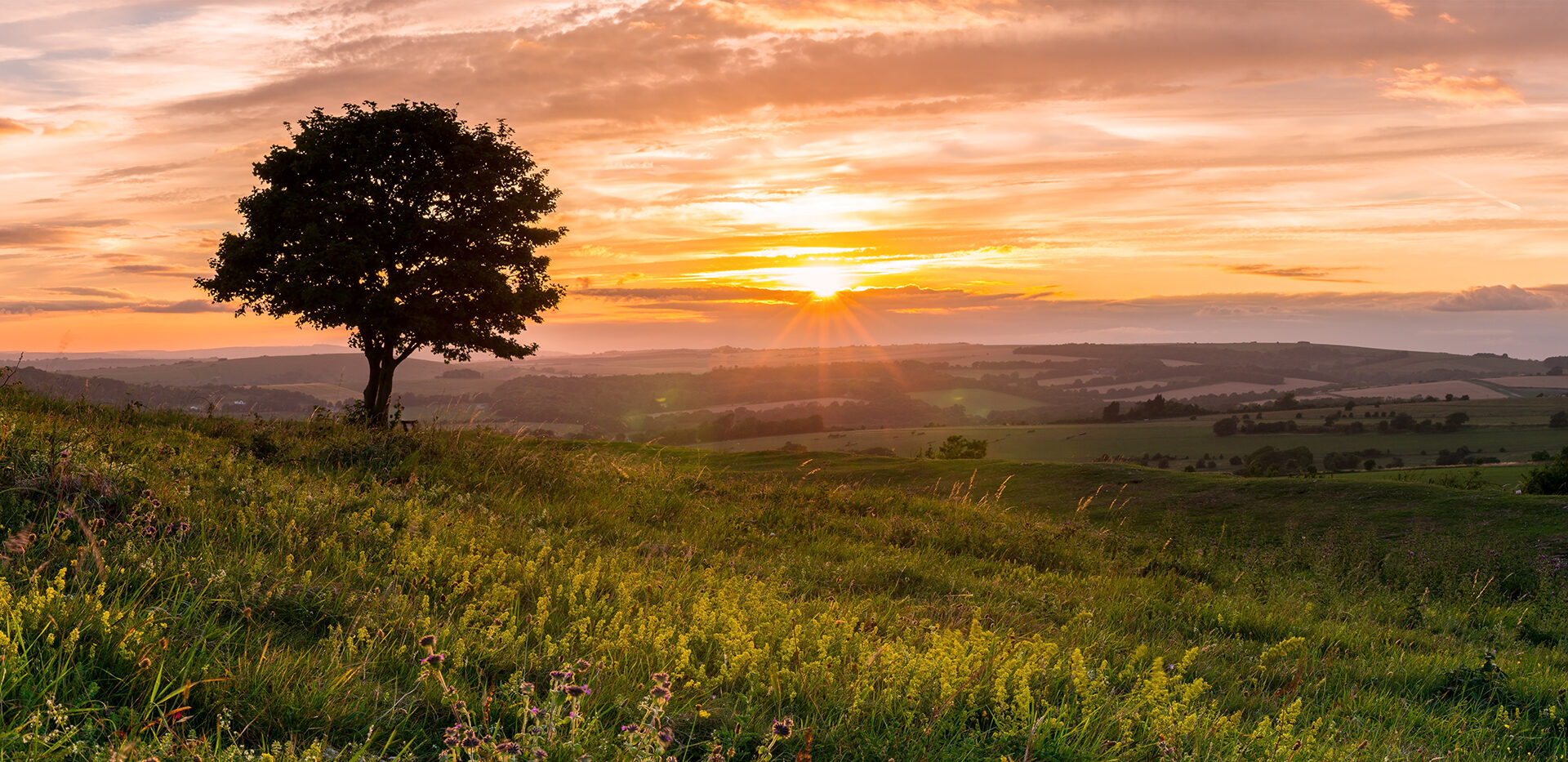
The UK’s National Parks have become the first in the world to join the ‘Race to Zero’ initiative, committing to drive action to halve carbon emissions within their landscapes by 2030 and become significant net carbon sinks by 2050.
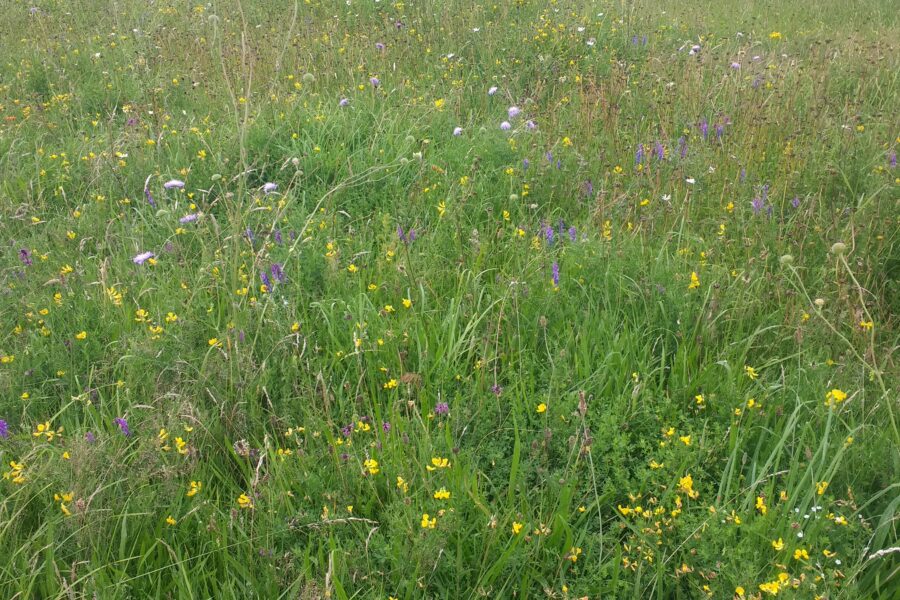
National Parks will work with partners to transform an area of land almost four times the size of London (610,000 hectares) into a haven for nature through nature-friendly management across the 15 National Parks, as well as driving significant increases in the use of sustainable travel, renewable energy and sustainably-produced food.
UK National Parks are committed to becoming beacons for a sustainable future, using their partnerships and convening powers to help meet the UK’s climate change commitments while also supporting thriving rural communities, helping to restore Britain’s lost biodiversity, and improving food security.
A new report published by Small World Consulting details the current carbon footprint of the UK’s 15 National Parks landscapes and lays out an evidenced path to make the National Parks into net carbon sinks, going from emitting around 11.5 million tonnes of harmful greenhouses gases per year – primarily from energy consumption, visitor travel and agriculture in 2022, to ‘soaking up’ roughly 3.5 million tonnes instead by 2050 (absorbing roughly around the same amount of carbon per year as 24,000 flights between London and New York).
By supporting this path, the UK’s National Parks will actively drive towards net zero landscapes by around 2040, meeting the central ambition of the Race to Zero initiative (global net zero emissions by 2050) a decade ‘early’, and becoming significant sources of carbon capture after that point.
Read the Report
National Parks working for nature

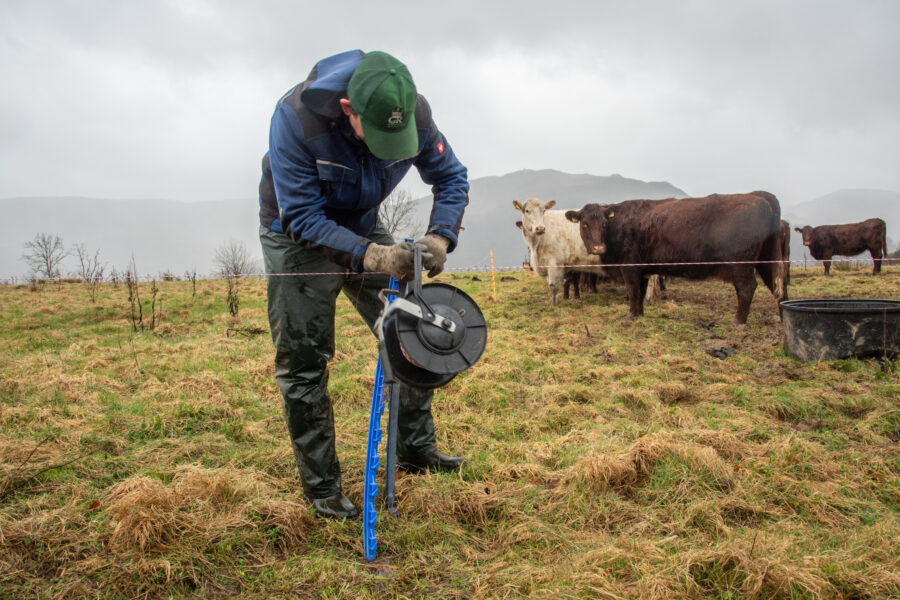
'Our Food 1200' , Regenerative agriculture (opens in a new tab)
‘Our Food 1200’ initiative in South East and Central Wales aims to ensure food security and affordable prices while cutting emissions and restoring nature. The initiative will create jobs, new supply chains and fair prices for farmers.
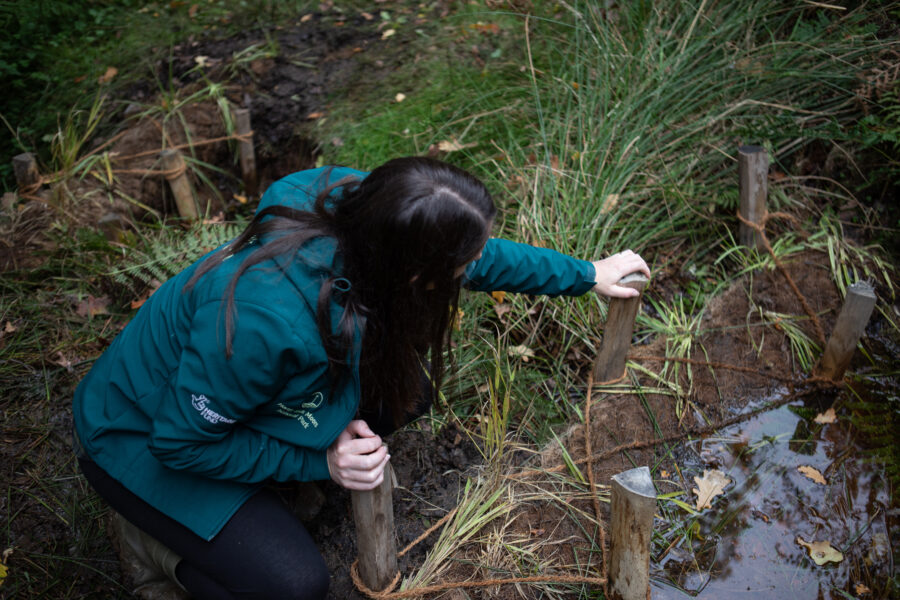
'Wild Strathfillan' , Woodland Creation (opens in a new tab)
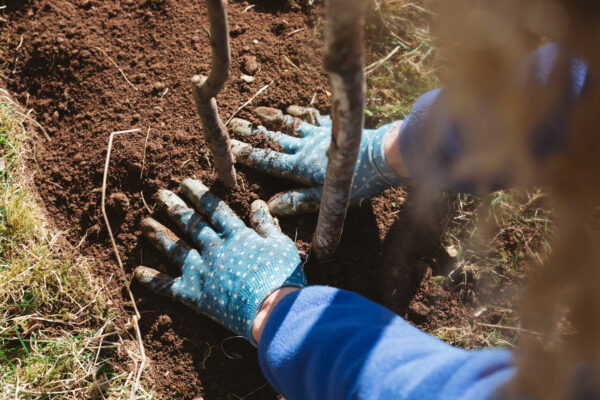
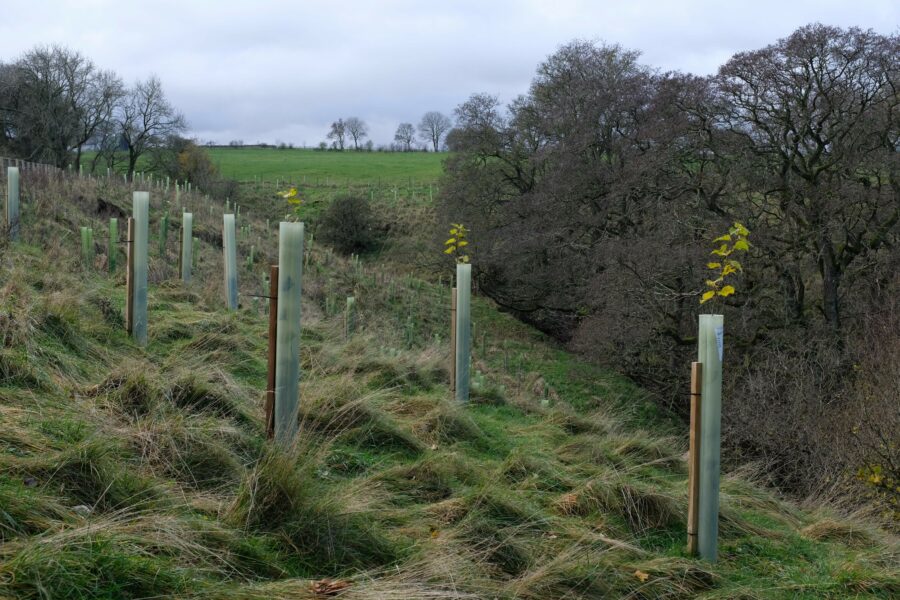
'Wild Strathfillan' is a bold project aimed at restoring an area of 50,000 hectares in the north of Loch Lomond and the Trossachs National Park through habitat creation and restoration, enhancing a nature recovery network to support iconic Scottish wildlife and their habitats.

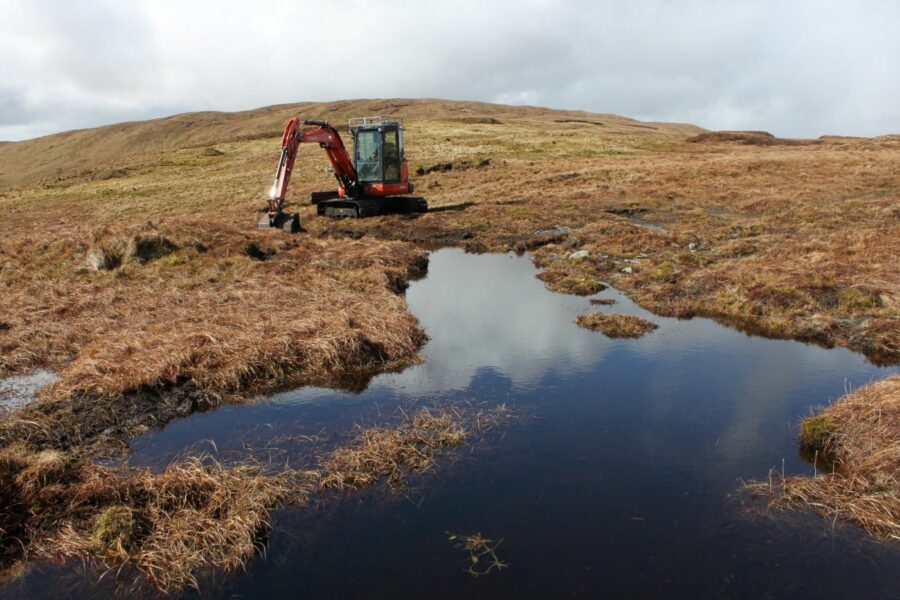
Southwest Peatland Partnership , Peatland Restoration (opens in a new tab)
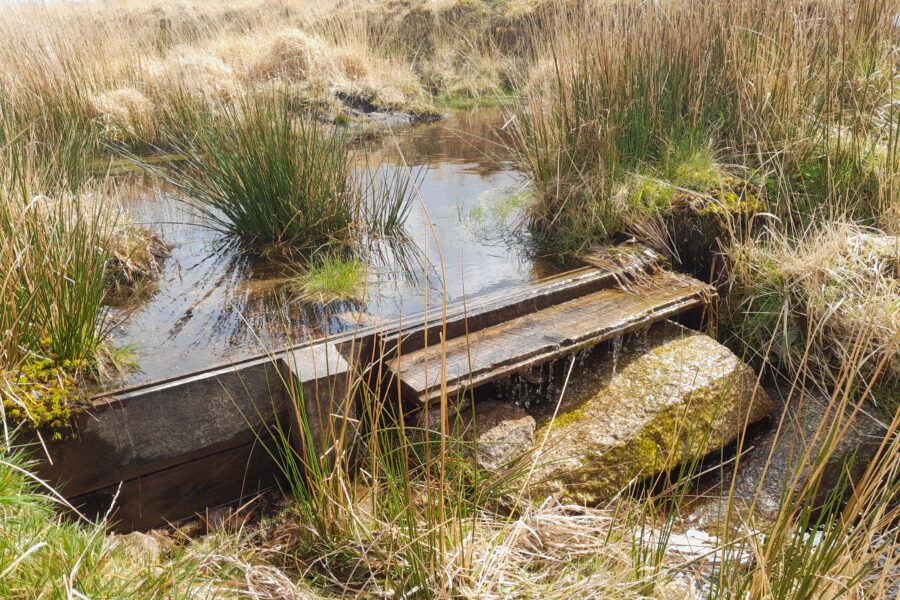
The South West Peatland Partnership is working together to restore degraded peatland across West Penwith, Bodmin Moor, Dartmoor and Exmoor National Park by 2025. Restoring this damaged peatland through rewetting will have innumerable benefits including creating carbon stores, wildlife habitats and more.

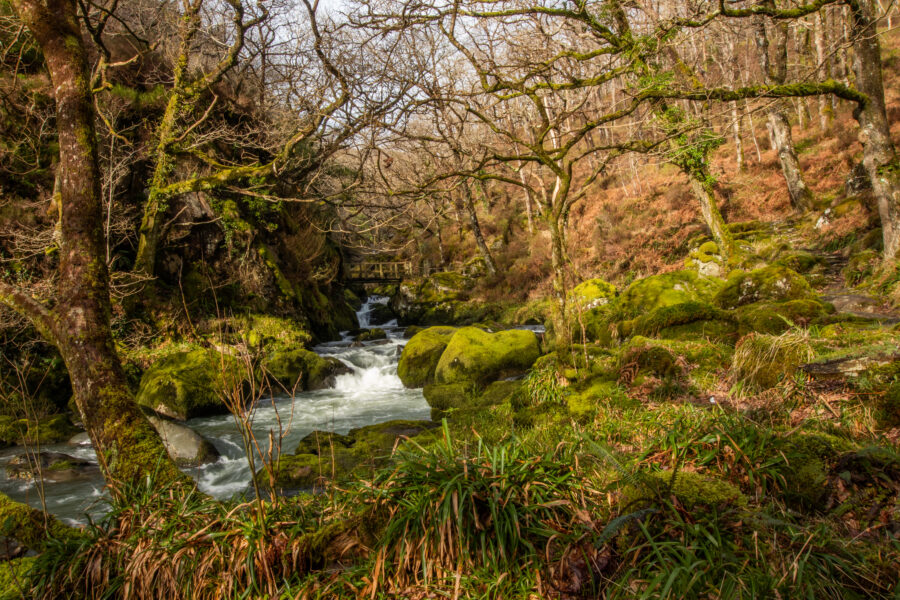


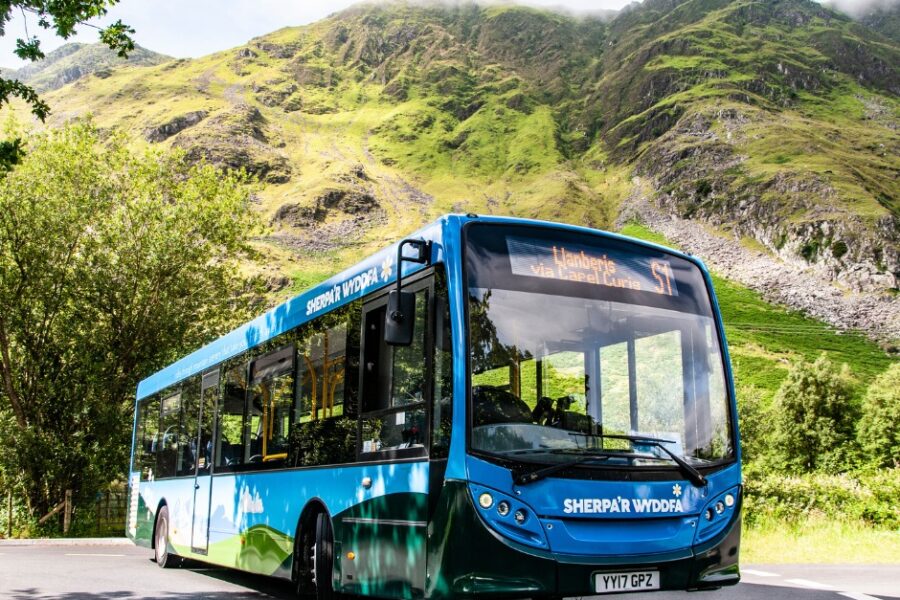
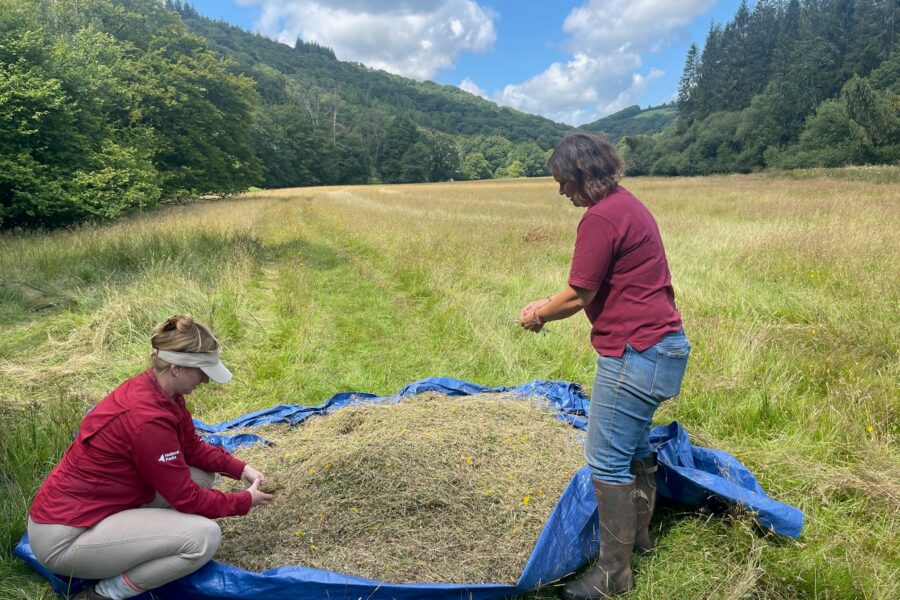
💚 Our National Parks are intertwined in many of our lives, whether it`s on a daily basis or less often. But they don`t just happen by themselves.
They rely on people and communities every single day. From the friendly faces in a visitors centre to the farmer right out in the wilderness, our parks are what they are thanks to the people who give their time to them.
#NationalParksUK #PeopleinAction


🏴We all know Eryri National Park (Snowdonia) for being home to impressive peaks - but this landscape also holds some of the most dramatic scenery in the UK in the form of castles. 🏰
Hidden in the valleys are rugged, secret strongholds. Castle Harlech here, nestled onto a rocky knoll close to the Irish Sea, hosted the longest siege in British history which lasted for seven years.
Our National Parks are known for beautiful views, but they also protect some incredible homes and stories that span across our history. Together we can preserve history.
#HarlechCastle #EryriNationalPark #WelshCastles

Good news for nature August roundup 🌿
This time there’s cats, bugs and birds. There’s so many spectacular sightings, breakthroughs and results for wildlife every single day in our National Parks.
Here are just four pieces of recent good news to make you smile this weekend. Share with someone who loves nature to spread the positivity 💚
#GoodNews #NationalParks #Wildlife

Three years ago, beavers returned to the Cairngorms. 🦫
After more than 400 years away, the first beaver family was released into the National Park in December 2023.
Since then, something special has happened: they’ve settled, spread and started breeding. There are now around 72 beavers in the Cairngorms, including kits born in the wild.
And they’re not just living in the landscape, they’re helping to shape it. By creating wetlands and changing waterways, beavers can help hold and slow water, and create habitats that benefit a whole host of other species. 🌿
It’s a brilliant example of how our National Parks can play a vital role in nature recovery - and what’s possible when people work together to bring species back and create healthier, more resilient landscapes for people and nature.
#NationalParks #Cairngorms #Beavers #NatureRecovery

September is a great time to try nature journaling 📝🍂
A simple form of mindfulness, nature journaling encourages us to slow down and notice what’s happening in the world around us - from the first changing leaves and fungi appearing to the birds we hear and the changing light.
It doesn’t have to be complicated. It’s simply about taking a moment to be present, pay attention and connect with nature.
All you need is a notebook, a pen and somewhere outdoors. Our National Parks are pretty good spots for it, too. 👀
Have you ever tried nature journaling? It’s another way our National Parks are helping people to unwind, everyday.
#NatureJournaling #NationalParks #Mindfulness

🦇When the sun goes down, a whole new world comes to life.
Our National Parks are home to many rare species, including wildlife that can be much harder to spot. The New Forest is home to 14 of the UK’s 18 species of bat, from tiny pipistrelles to some of our rarer woodland species.
Bats depend on a mosaic of habitats to survive, and across the UK’s 15 National Parks, work is happening to protect the places wildlife depends on – even when we don’t always see it.
This International Bat Night, meet just some of the bats our Parks are home to.
📸
1. Soprano Pipistrelle – Russell Wynn / Wild New Forest
2. Soprano Pipistrelle – New Forest National Park
3. Barbastelle – Hugh Clark/Bat Conservation Trust
#BatsOfInstagram #NewForest #InternationalBatNight

15 National Parks. Countless landscapes and communities.💚
Working farmland. Wild coastlines. Woodland paths. Places shaped by generations of people.
Our National Parks are incredibly diverse and not just in the landscapes they protect, but in the people, nature, heritage and stories that make each one unique.
#NationalParksUK #UKNature

Look a little closer and you’ll find a landscape full of life at the Peak District National Park. 🌿
From dippers, ring ouzels and mountain hares in the uplands, to curlews calling across the moorlands and meadow brown butterflies in grasslands, these are just five of the many species you can see in the Peak District this season.
Protecting the special landscapes across our 15 National Padks means protecting the variety of wildlife relying on these habitats as their homes.
Which would you most like to spot? 👀
📷
1. Mountain Hare
2. Curlew
3. Ring Ouzel
4. Meadow Brown Butterfly - Alex Hyde
5. Dipper - Tom Marshall
#PeakDistrict #Wildlife #NationalParksUK
