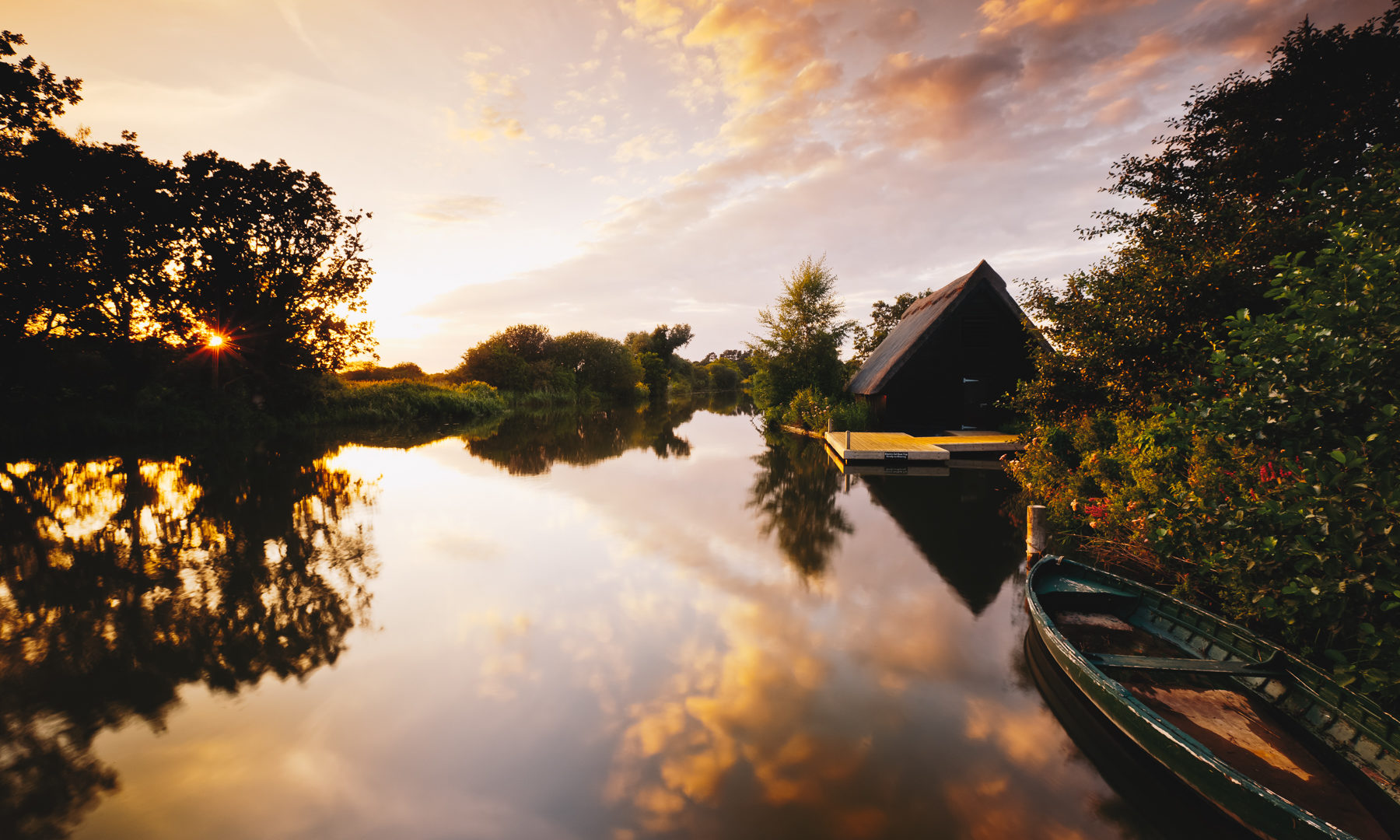
The Broads National Park
Where enchanted waterways meet endless skies
The Norfolk and Suffolk Broads are Britain’s largest protected wetland and are unlike anywhere else. A rich tapestry of landscape, water and wildlife; woven together by history.
Take to the water to discover our unique waterways, or soak up the history and wildlife on land. Either way, in the words of naturalist Ted Ellis, the Broads truly is a “breathing space for the cure of souls”.
Key activities
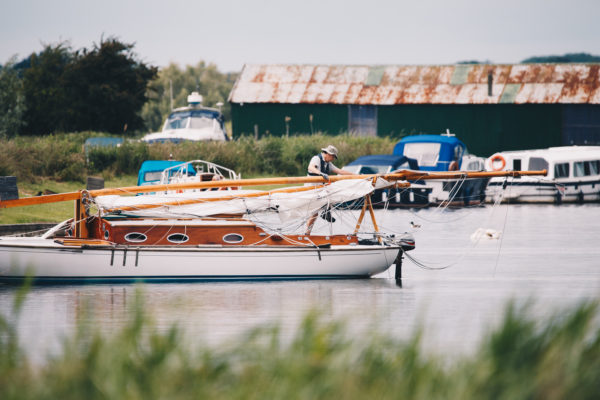
Boating , Activity
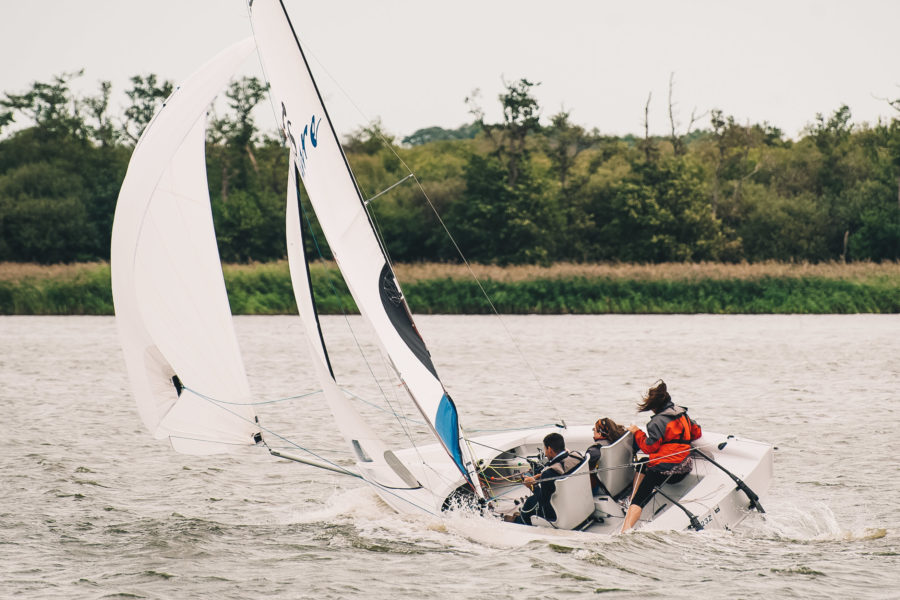
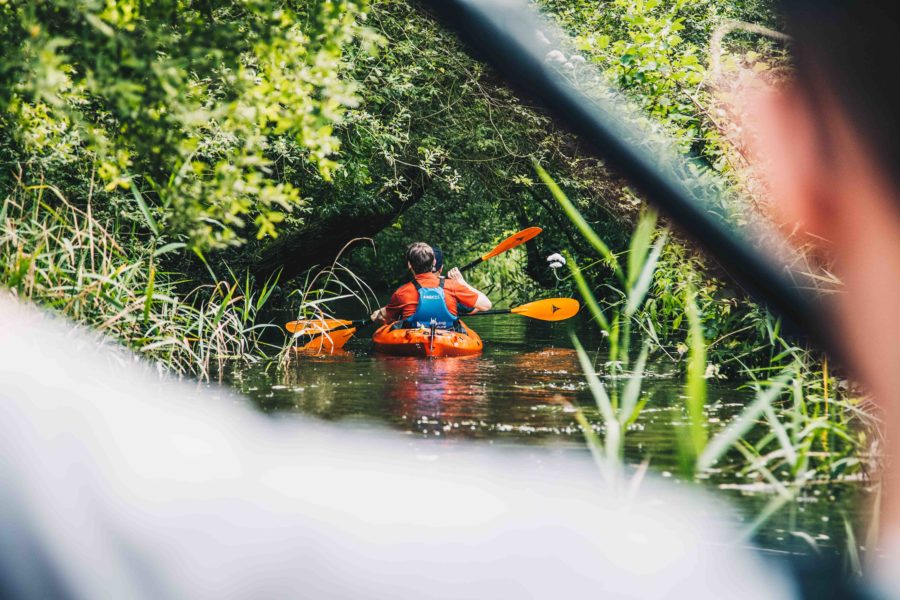
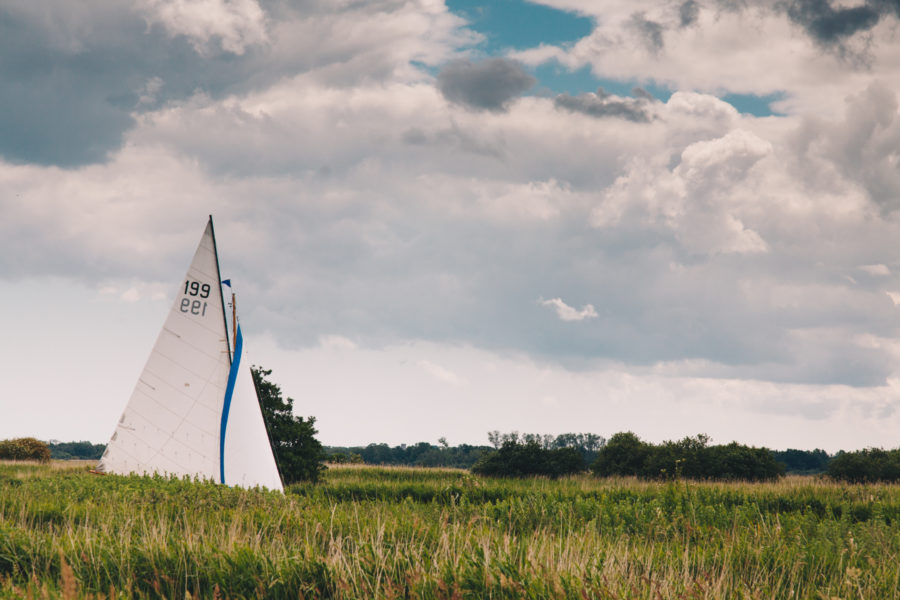
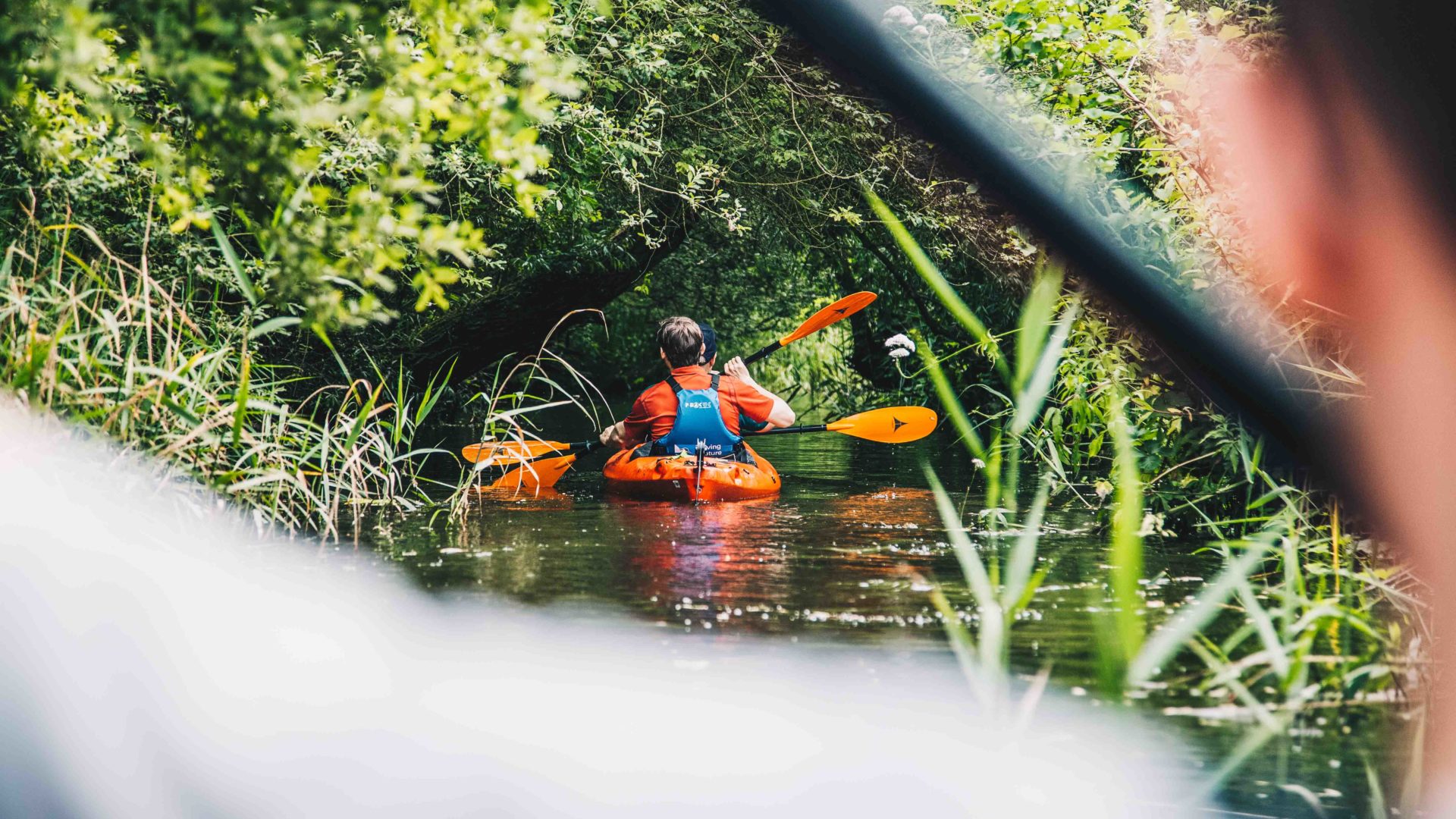
Heading out on a boat is what draws so many people to the Broads. Hire a home on the water for a week, go paddling on a kayak, or sail off into the sunset.
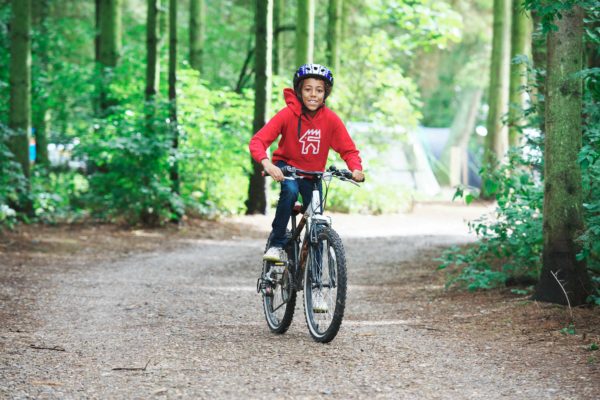
Walking & Cycling , Activity
With endless riverside paths and quiet country lanes to explore, walking and cycling are great ways to see the Broads from a different angle and take it in at your own pace.
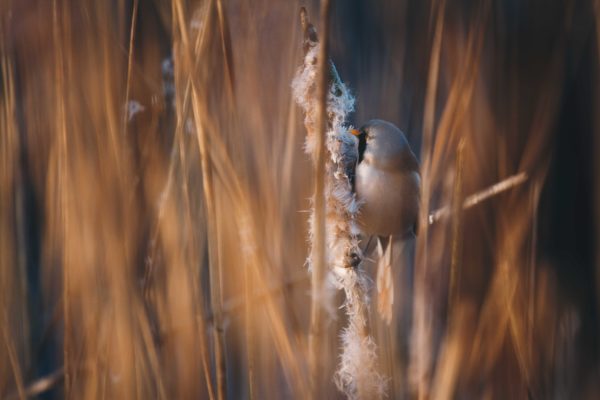
Wildlife watching , Activity
The Broads is like no other when it comes to wildlife and biodiversity. Across land, sea and sky, some of the rarest wildlife in the UK has made this unique landscape its home.
Special qualities
5 reasons why the Broads is a special place
Nowhere else quite like here – In no other National Park can you explore for hundreds of miles on the water. In this way, the Broads is quite unique. The pace of life here is for you to decide, with a sense of adventure as you discover the Broads’ hidden secrets.
Choose to hire a boat for a week or a day, travel with a breeze in your sails, or head to the backwaters for a silent paddle. As each twist and turn in the river reveals itself, the water’s unique vantage point lets you become part of this magical and ever-changing landscape.
Everything is connected – This rich tapestry of landscape, water and wildlife has been woven together by people over a number of centuries. The Broads are in fact man-made. Managing them today still depends on an interconnected relationship between people and nature. From the reed cutters, grazing ponies and farmers, through to rare dragonflies, birds and aquatic flora and fauna; all life here is deeply intertwined.
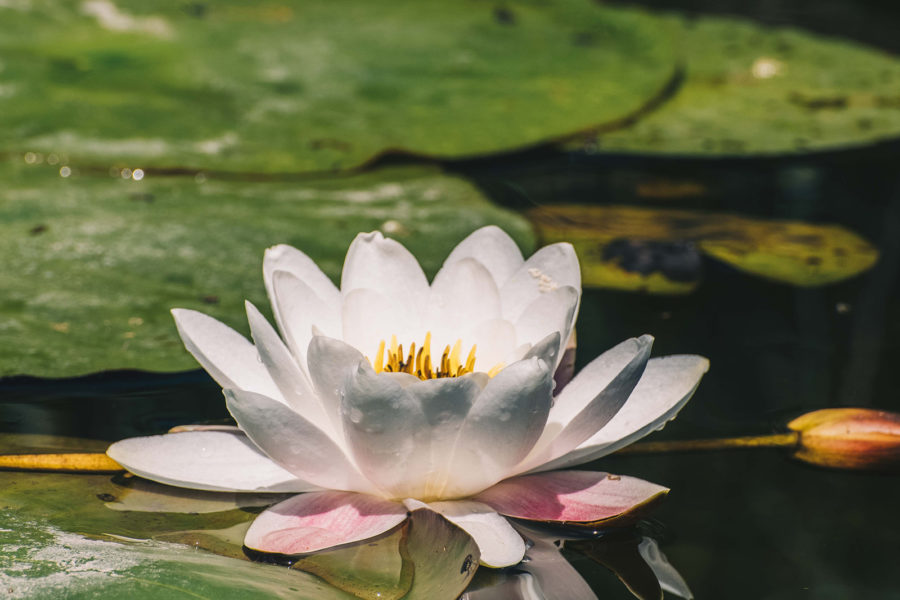
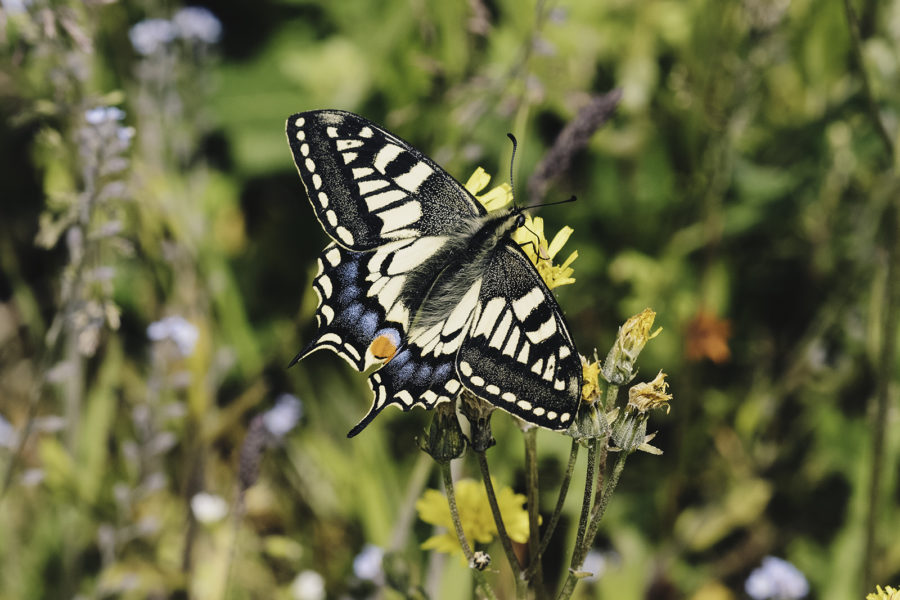
Full of distinctive life – The Broads National Park is Britain’s largest protected wetland. It covers fens, marshes and woodlands making it a vital area for nature. A quarter of the species are internationally protected, including the Norfolk Hawker dragonfly and the Swallowtail butterfly, only found here.
Shaped by history – The Broads were once thought to be naturally formed due to their size and natural appearance. However, pioneering research by botanist Dr Joyce Lambert in the 1950s, revealed that they are actually the result of ancient peat diggings. Peat was extracted from great pits and used as fuel for homes and construction.
When the pits began to fill with water they were abandoned, and by the 14th century, they’d been flooded and had created the perfect habitat for wildlife and boaters alike.
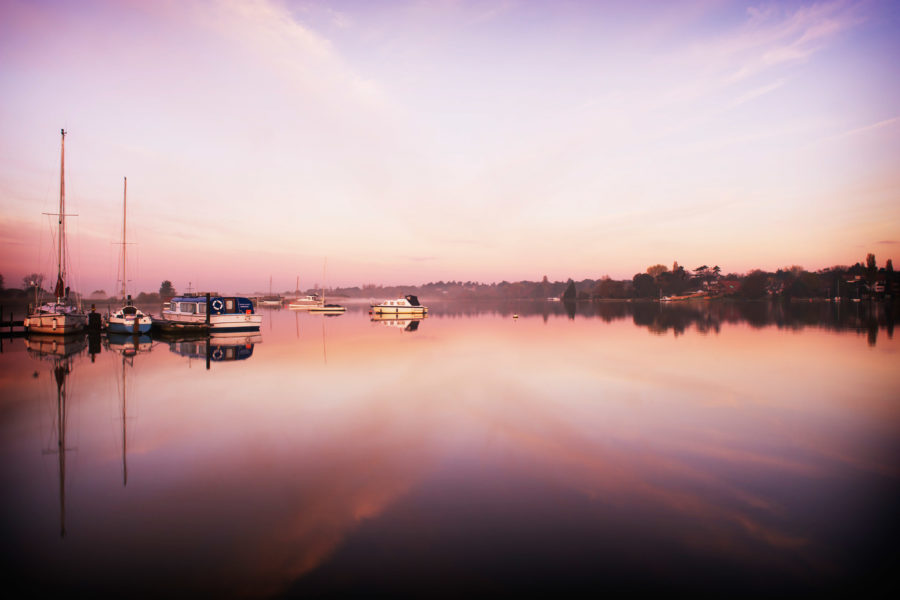
An inspiring landscape – Let this land of rural beauty restore and recharge your soul. The historic wherries, windmills, churches and winding rivers of the Broads draw painters and photographers here for good reason. Head out with a picnic hamper and reconnect with nature in this picture-perfect English countryside. Then watch a sunset of a thousand colours over vast, endless horizons give way to some of the best opportunities for stargazing to be had.
Did you know?
Our National Park
The Broads was originally dug out in medieval times to provide peat for fuel. In the 14th century, these peat diggings flooded, creating the beautiful waterways we see today.
By the 19th century, the rich boating heritage of these waterways made them an obvious destination for those who enjoyed pleasure boating. Today, the Broads is Britain’s third-largest inland navigation area and their beauty and tranquility attract around eight million visitors every year.
The length of navigable waterways (rivers and broads) covers more than 125 miles (200km) of Norfolk and Suffolk. There are seven rivers, and over 60 broads in the National Park (only 13 are fully navigable) ranging from small pools to vast expanses of water. The largest broads are Hickling Broad, Barton Broad and Oulton Broad.
History and heritage are everywhere; wherries, windmills, boathouses, abbeys and churches.
Rare heritage is protected for everyone to enjoy, with 25 conservation areas, 14 ancient monuments and 270 listed buildings. The Water, Mills and Marshes, Broads Landscape Partnership programme is restoring many of the region’s historic mills and aims to engage local people to make a connection with the landscape, through art, music and writing.
The Norfolk wherry is a unique type of sailing boat which was used as cargo and passenger ships along the waterways as early as the 17th-century. There were three main types of wherry in operation, including trading wherries, pleasure wherries and more refined wherry yachts. By the 1940s, the use of trading wherries had fallen into decline as railways and roads stole their trade. Only eight of these historical boats survive today.
But it’s about far more than protecting our past.
People have shaped this landscape for a very long time past and we are the proud custodians of its future.
With a quarter of the park receiving international designation for its biodiversity, nine national nature reserves and 28 sites of specific scientific interest, conservation of the Broads is hugely significant to the biodiversity of the UK. In fact, it is Britain’s largest protected wetland.
The balance between humans and nature here is a delicate one. The Broads Authority manage the national park, managing people, navigation and conservation sympathetically in this endlessly interconnected place. They work together with partners to ensure that this fragile balance is upheld. All farming, land and water management here must enhance and improve biodiversity, conservation and where possible, improve the landscape’s capacity to store carbon.
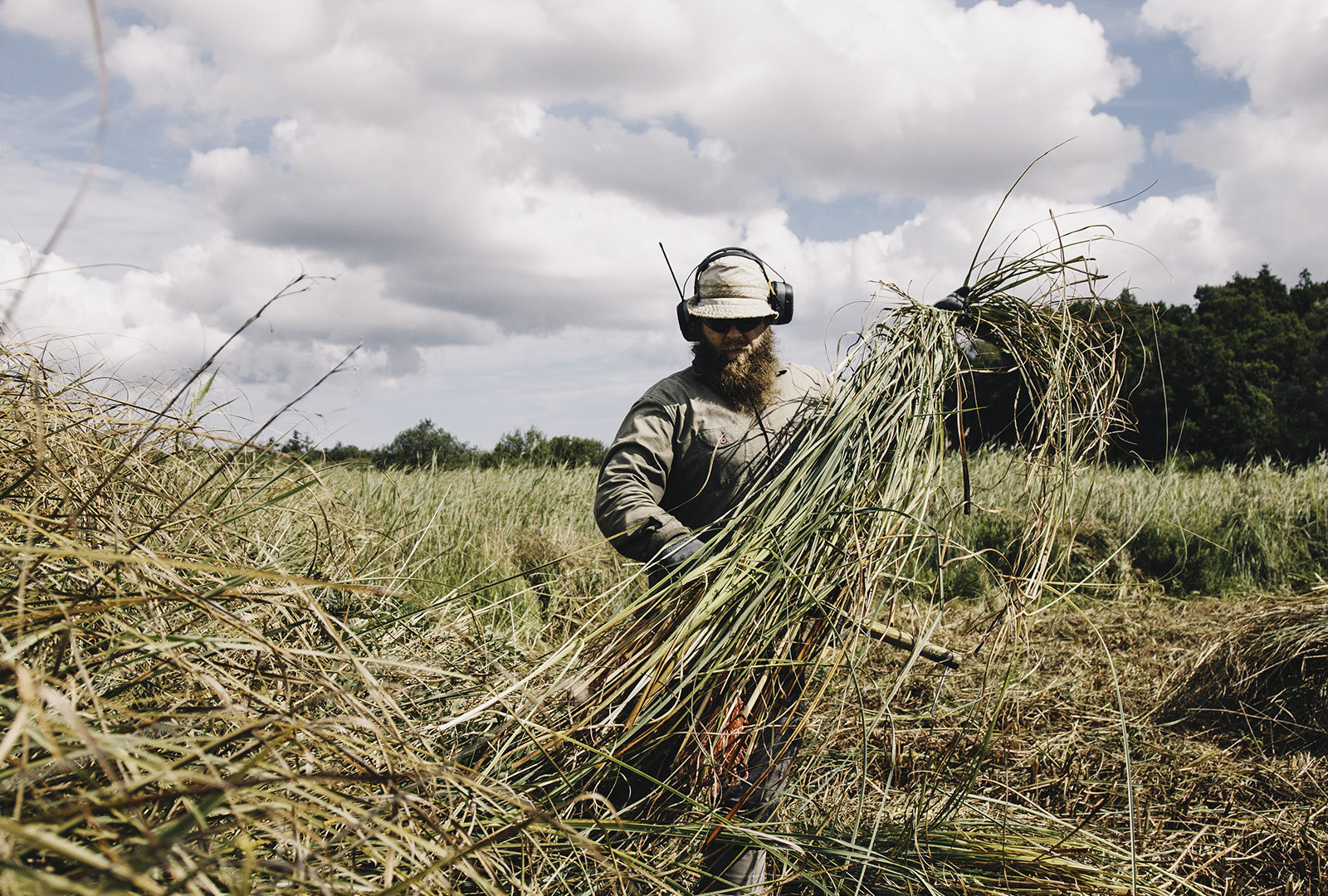
One such interconnected relationship exists between reed and sedge cutting and biodiversity conservation. Reed and sedge have been harvested from the Broads fens and used for thatching for centuries. Traditional cutting techniques benefit conservation by cutting in small patches, often avoiding wet areas and leaving tall vegetation standing. Not only is this incredible habitat for plants, insects, birds and mammals but also, it provides sustainable income for reedcutters.
Work to maintain and improve the waterways’ navigable channels through dredging must also conserve and enhance the park’s rich wildlife habitat. Ecological surveys of reptiles, water-voles, riverbank and underwater plants, ensure that every species counts and that rare, endangered wildlife remain protected.
The Broads is also home to a thriving community of people living and working in the area – not to mention the eight million people who visit every year.
Getting there
You can reach the Broads from London in just two hours by rail or road or by Norwich airport for international travellers. There are good rail and bus links once you arrive. Public transport is a fantastic option to reduce your carbon footprint and congestion on the roads.
Happy birthday @parc_eryri 🎂
From its towering peaks and sweeping valleys to its rich heritage, Eryri (Snowdonia) is a place that means so much to so many people.
It`s a landscape full of stories, shaped by generations of people and home to some of Wales` most treasured places, from the summit of Yr Wyddfa to the quieter corners.
Today, we`re celebrating everything that makes Eryri unique, from the people and traditions that give it its character to the ongoing work to protect its landscapes and wildlife.
Share your favourite memories of Eryri in the comments! 💬
📸Ogwen Valley, Snowdonia @cinqueportsphotography
#Eryri #EryriNationalPark #TheAnswerIsNationalParks


Autumn is a chance to give nature a helping hand. 🍂
From leaving fallen leaves to providing food for birds, small actions can make a big difference to the world around us.
Here are some of the ways to help nature this season.
#NatureRecovery #Autumn #NationalParks

An ancient wall almost 2,000 years old, and a catch-up with your mate? ✅
Historic landmarks like Hadrian’s Wall in Northumberland National Park have been connecting people for centuries.
While that connection looks very different today from the wall’s original role as a Roman defensive fortification, it’s still a place where people come together and explore history.
Because our National Parks are about so much more than great places for a day out. They’re places to connect with friends, clear your head, get active and learn about history, all in one place.
#Northumberland #HadriansWall #NationalParksUK

They’re more than just pretty places. 🌳
Our National Parks are home to some incredible trees, from ancient giants to England’s tallest tree.
Swipe through for a few #WildFacts about the trees growing across our 15 National Parks.
#NationalParksUK #Trees #Woodland

National Parks are places where animals make their homes, people catch up over coffee, and we pause to marvel at the dark skies above.
Places to connect, discover and look a little closer.
We’d love to see your images of autumn in action in a National Park. Tag us or use the hashtag #AutumnInAction 🧡
#NationalParks #Autumn

What if Middle-earth’s Rangers had more in common with National Park Rangers than we might think?
Of course, our National Park Rangers have a little less to worry about than Aragorn and his fellow Rangers.
But they do both know their landscapes well, protect the places they love and guide others to find their way.
Across the UK’s 15 National Parks, our Rangers are taking action every day. They may not be defending the Shire from the forces of darkness, but they certainly do an incredibly important job. 💚
#MiddleEarth #Rangers #NationalParksUK

15 National Parks. One shared challenge. Our climate is changing, and with it comes an increased risk of wildfire across our landscapes.
That’s why we’ve committed to taking action through our new Wildfire Management Position Statement. Together, the National Parks will work to support nature recovery to help manage wildfire risk, plan for and strengthen wildfire response and coordination, improve risk management and preparedness, and share clear, consistent public messaging.
But we can’t do it alone.
Communities, organisations, land managers and visitors all have a role to play in reducing wildfire risk. By working together, we can help protect our National Parks and prepare for a future where hotter, drier weather may increase the risk of wildfire.
Read the full statement by clicking on the link in our bio 🔗
Photos:
Slide 1 - Fighting the Glenmore wildfire, © Ed Smith. Slide 2 - Fighting the Glenmore wildfire, © Malcolm Smith. Slide 3 - View across Loch Morlich during Glenmore wildfire, July 2026, © Brenna Jessie. Slide 4 - Fighting the Glenmore wildfire, © Malcolm Smith. Slide 5 - View from the cab of a tractor aiding in fighting the wildfire in the Cairngorms National Park, CPNA. Slide 5 - Firefighting vehicles at the Glenmore wildfire, © Malcolm Smith.
#Wildfires #NationalParksUK

It’s not every day you get to see one of our National Parks in biscuit form on @britishbakeoff!
Last night, The Great British Bake Off contestant @itsdoctoryan created a beautiful biscuit mosaic inspired by the Broads National Park, perfectly capturing the view at St Benet’s Mill, Thurne.
And it wasn’t just a feast for the eyes as the mosaic was made using treacle and ginger, honey and lemon, cocoa and malted milk, and pistachio biscuits.
Two great things combined: a beautiful National Park view and delicious biscuits. What could be better than that? 💚
Photo: Channel 4
#GBBO #BakeOff #NorfolkBroads @broadsnationalpark
